
Meet the ECMO Specialist: Q&A with Cameron

Home base: Cincinnati, Ohio ECMO background: Trained in adult ECMO With our team since: 2023 What drew him in: The technical complexity and autonomy This is the second post in our series spotlighting the traveling ECMO specialists on our team. (If you missed the first one, meet Katy here.) As we shared in that piece, […]
Cannula Selection and Flow Dynamics in ECMO

As ECMO continues to grow beyond the CVOR, a growing number of physicians outside cardiac surgery are being asked to cannulate. This expansion is an important step toward building more responsive, multidisciplinary ECMO programs, especially when timely cannulation can affect how quickly support is initiated. But for physicians who do not routinely cannulate, gaining enough […]
How to Know You’re Ready to Become a Travel ECMO Specialist

One of the real perks of working in healthcare is the option to combine your career with travel. Travel nursing has been an established path for years, and the same is increasingly true for respiratory therapists and perfusionists. Traveling gives you the chance to see more of the country, work inside some of the leading […]
Meet the ECMO Specialist: Q&A with Katy
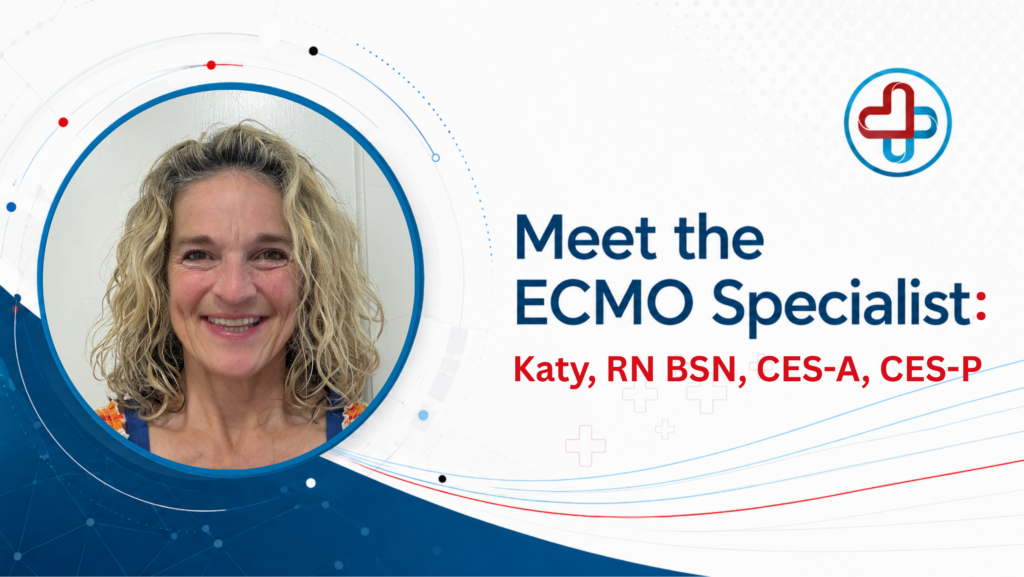
Home base: Wisconsin ECMO background: Trained in a pediatric CVICU With our team since: Started PRN in June 2022, transitioned to full-time June 2023 Favorite cases: Complex congenital hearts ECMO is feast or famine, and that can make staffing enormously difficult. A program might have one ECMO patient in three months, then four in a […]
Does ECMO Have a Role in Severe Heat Stroke?

Most of the time, ECMO programs are focused on warming patients, not cooling them. The extracorporeal circuit pulls a large volume of blood through tubing exposed to ambient air, and without active warming it draws heat out of the patient as it runs. Plus, the patients themselves also tend to arrive cold, from shock, prolonged […]
Why ECMO Anticoagulation Monitoring Still Has No Easy Answer

Anticoagulant selection is only one part of ECMO anticoagulation management. The next question is how clinicians monitor whether that strategy is actually working. As we’ve established, with ECMO patients, bleeding and thrombosis are not opposite ends of a simple spectrum—they can coexist. A patient may be bleeding from cannulation sites while still developing circuit thrombus, or may have lab values that […]
Anticoagulation Options on ECMO
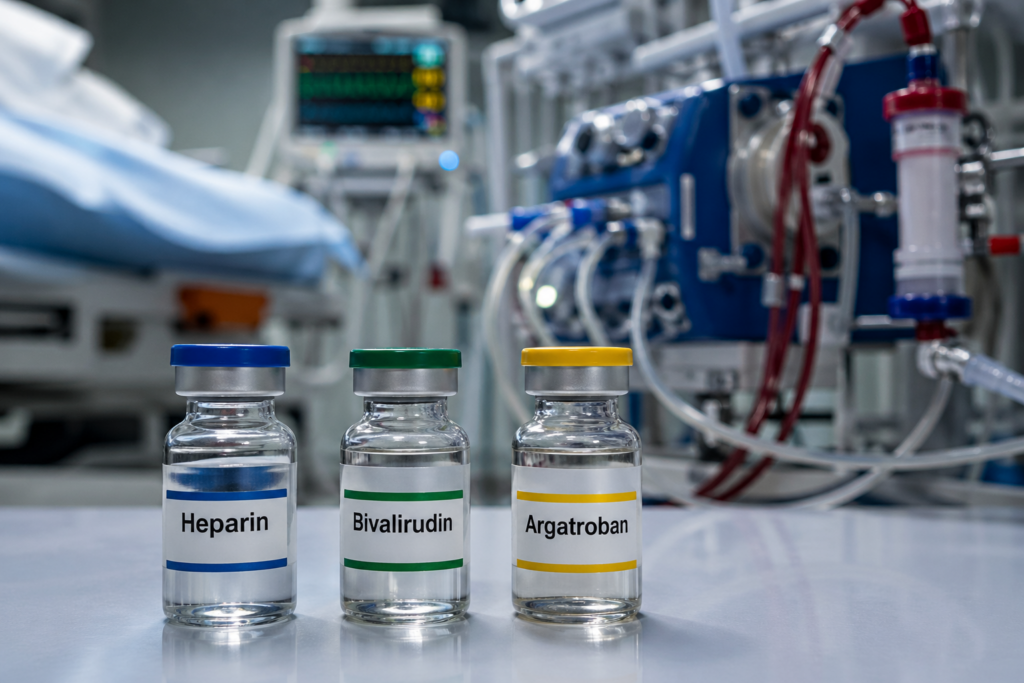
Recent pressures on heparin supply have prompted many ECMO programs to take a closer look at their anticoagulation protocols, but the conversation around alternatives is one worth having regardless of the current landscape. For experienced ECMO clinicians, the “right” anticoagulation approach is far from settled science. The decision requires balancing circuit integrity, bleeding risk, patient […]
A Landmark Case in ECMO-Supported Bridge-to-Transplant Care
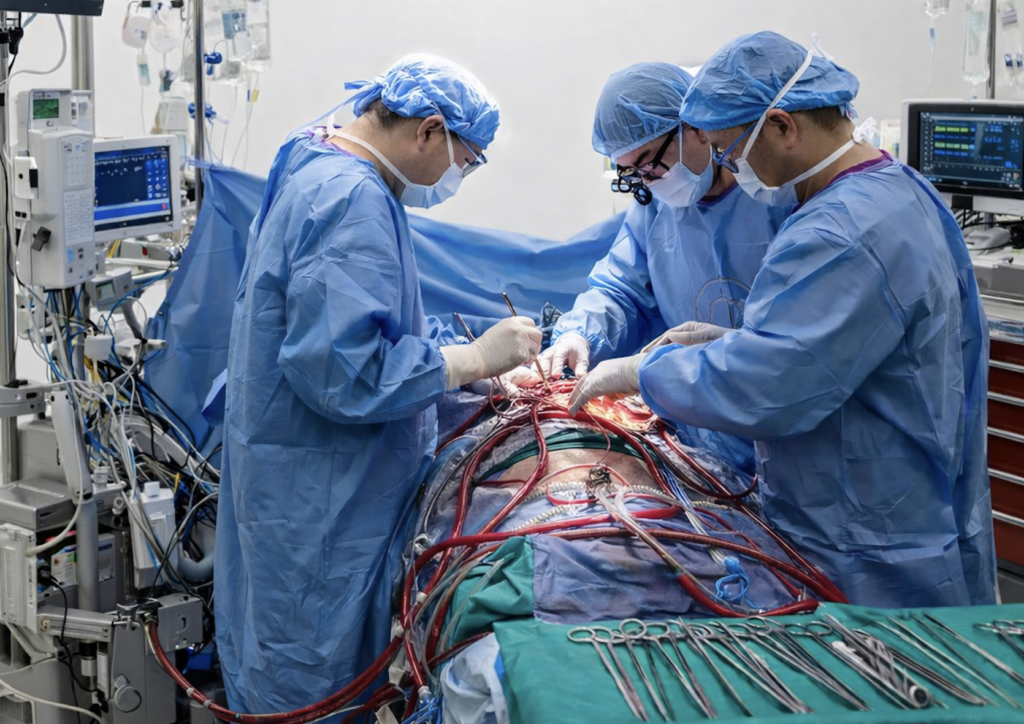
Extracorporeal membrane oxygenation (ECMO) has always been a therapy defined by its ability to buy time; time for a heart to recover, for lungs to heal, or for a transplant to become possible. But a recently published case report from Northwestern Medicine introduces a new way of buying time — one that has only been attempted a handful of times […]
Beyond VV and VA: Targeted Ventricular Support in ECMO

For many clinicians, ECMO begins and ends with two familiar configurations: veno-venous (VV) for respiratory failure and veno-arterial (VA) for cardiopulmonary collapse. In practice, however, not every patient fits cleanly into those categories. As ECMO programs have matured, cannulation strategies have evolved to address more specific hemodynamic problems—particularly isolated right or left ventricular failure, inadequate ventricular unloading, or mixed […]
5 Lessons from 50+ ECMO Programs: What We’re Bringing to Bridging Life 2026

Building an ECMO program looks different on paper than it does in practice. After years of supporting program launches across the country, we’ve learned that success often hinges on factors that aren’t always obvious at the outset. With the Bridging Life Critical Care Symposium coming up next week in Houston, we’ve been connecting with hospital […]